opportunity source vs lead source
Opportunity Source Vs Lead Source
A GTM-focused explanation of how lead source and opportunity source differ, why both can matter, and how Salesforce teams should evaluate data quality before attribution work.
Short answer
Lead source usually describes where the person or account first entered the funnel. Opportunity source should explain what created or influenced the revenue opportunity. Confusing the two weakens attribution.
Lead source explains acquisition origin
Lead source is usually the first structured clue about how a prospect entered the database. It is useful when the values are normalized and survive conversion into later GTM analysis.
Use it to understand top-of-funnel acquisition mix.
Protect it from overwrites that erase original context.
Normalize values so channels can be compared.
Opportunity source explains pipeline creation
Opportunity source should explain why a deal exists as a revenue event. It may match lead source, but it may also reflect partner influence, expansion motion, outbound generation, or a later campaign.
Use it to connect pipeline creation to GTM motion.
Separate new-logo, expansion, partner, and campaign-led paths.
Review whether values are populated before forecast and attribution work.
The risk is collapsing different motions
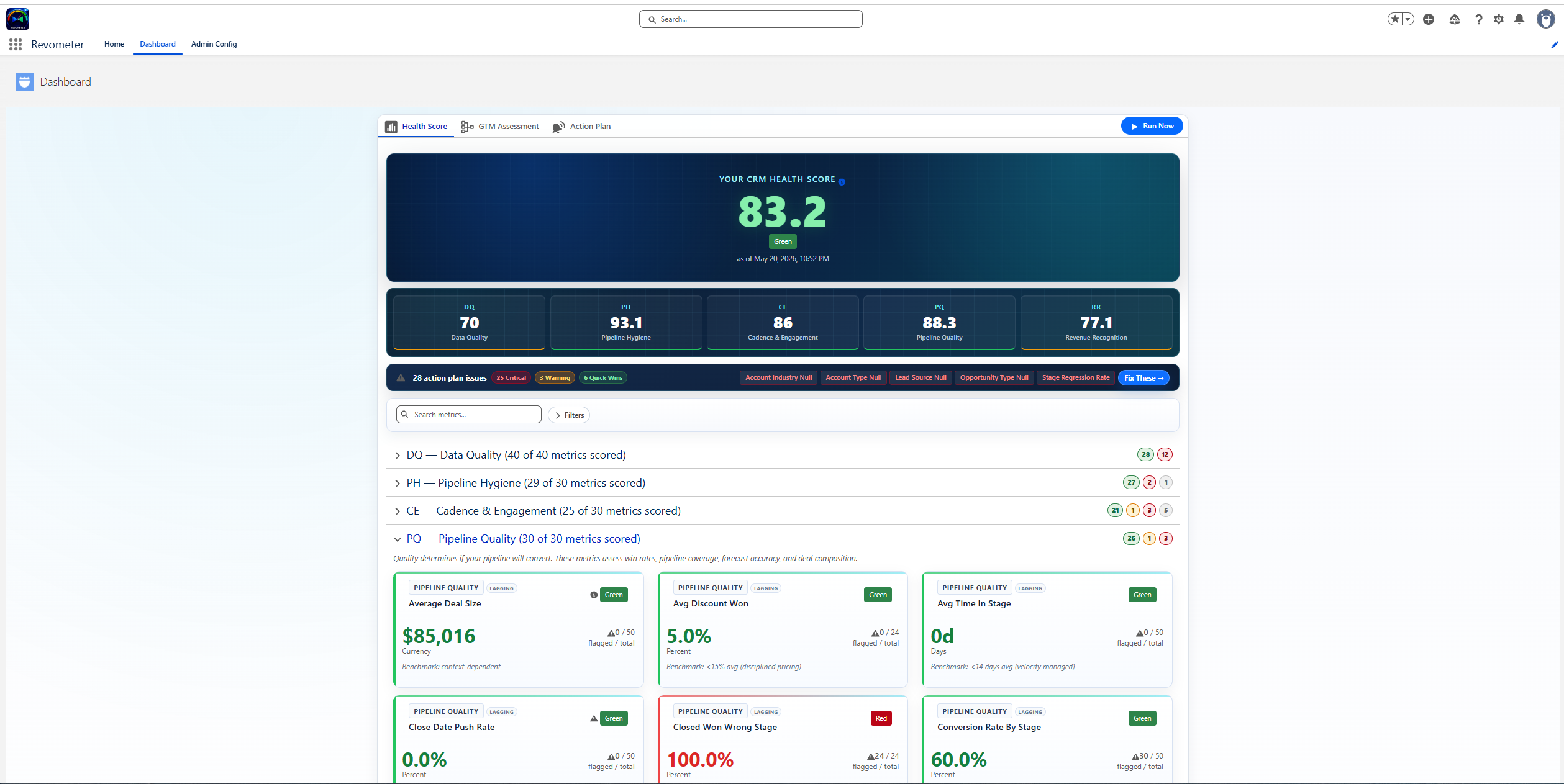
When teams treat every source field as interchangeable, attribution loses precision. Revometer evaluates whether the source structure is usable for Bowtie-based GTM decisions.
Acquire analysis needs source consistency.
Convert analysis needs source context tied to pipeline movement.
Expand analysis needs renewal and expansion context beyond first source.
FAQ
Should opportunity source always equal lead source?+
No. It can match in simple motions, but opportunity source may need to represent the event or channel that created the deal.
What happens if source fields are inconsistent?+
Attribution, forecasting, and AI recommendations become less reliable because the system cannot confidently connect revenue outcomes to GTM activity.
Related reading