lead source attribution Salesforce
Lead Source Attribution In Salesforce
Why lead source and opportunity source quality determine whether Salesforce can support channel attribution, GTM strategy, and AI-assisted investment decisions.
Short answer
Lead source attribution in Salesforce is useful when source values are captured consistently, carried into opportunities, and connected to revenue outcomes so teams can compare channel performance.
Attribution starts before the opportunity
Revenue teams often inspect opportunity results without validating whether the original source evidence survived the journey from lead to account and opportunity. That gap makes channel reporting fragile.
Lead source should be captured before routing or conversion changes context.
Opportunity source should preserve the acquisition motion behind the deal.
Campaign and channel values should be normalized enough to compare outcomes.
Bad source data creates bad GTM decisions
If source values are missing, overwritten, or too broad, attribution analysis can push teams toward the wrong spend decisions. AI summaries can make that conclusion sound confident even when the evidence is weak.
Missing source fields block channel return analysis.
Inconsistent picklist values hide comparable motions.
Opportunity-only attribution can erase the first meaningful touch.
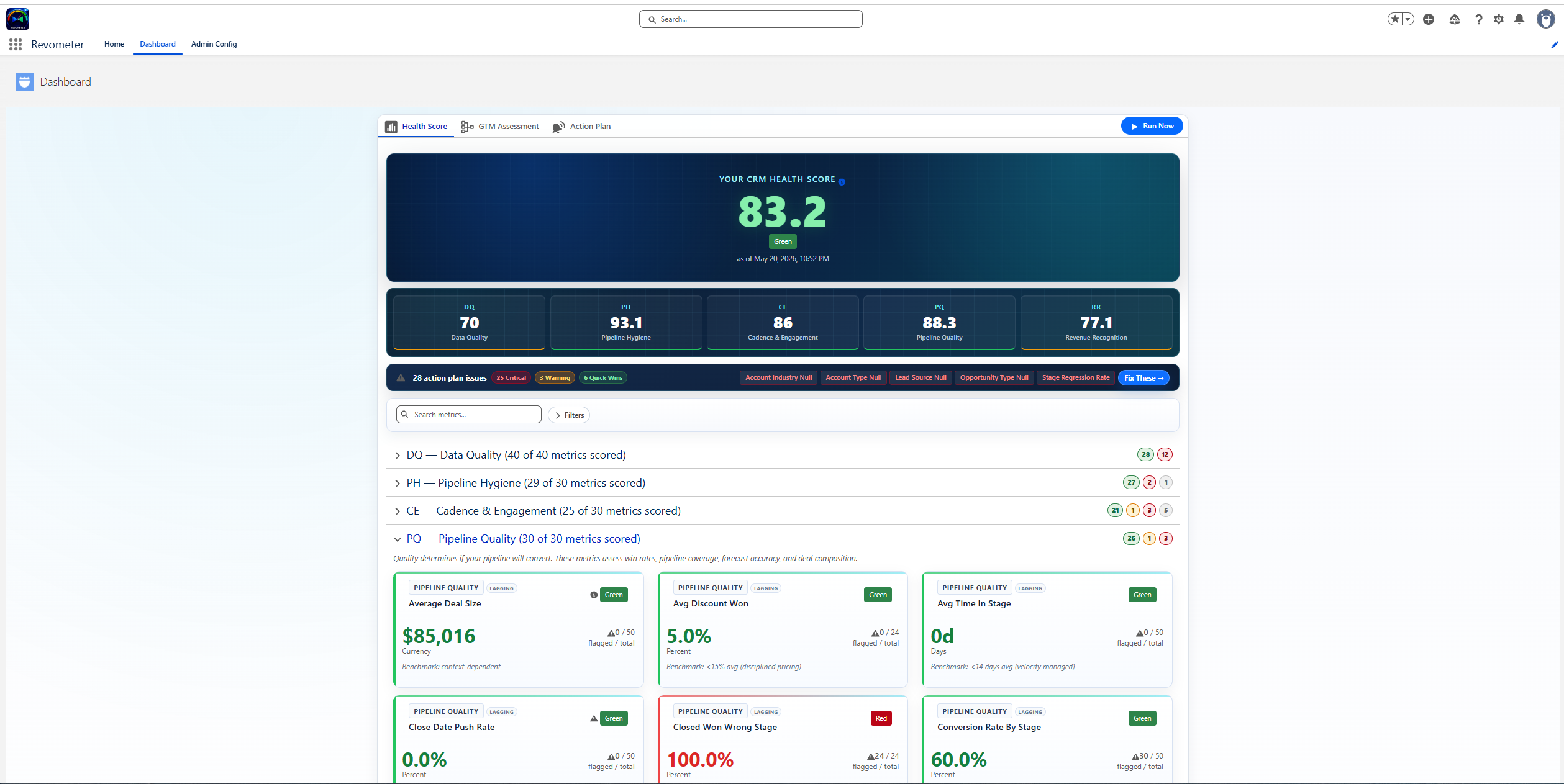
Revometer scores source evidence in context
Revometer treats attribution as a GTM readiness signal, not just a cleanup task. The question is whether the source fields can support channel investment, segmentation, and revenue review.
Surface source gaps by object and motion.
Connect attribution readiness to Acquire confidence.
Prioritize fixes that make reporting and AI outputs more trustworthy.
FAQ
Why do lead source and opportunity source both matter?+
Lead source captures the acquisition origin, while opportunity source helps connect pipeline and revenue outcomes to a GTM motion. Both can be needed for trustworthy attribution.
Can AI fix bad attribution data?+
AI can infer or summarize patterns, but it cannot reliably recover missing or inconsistent attribution evidence without introducing uncertainty.
Related reading